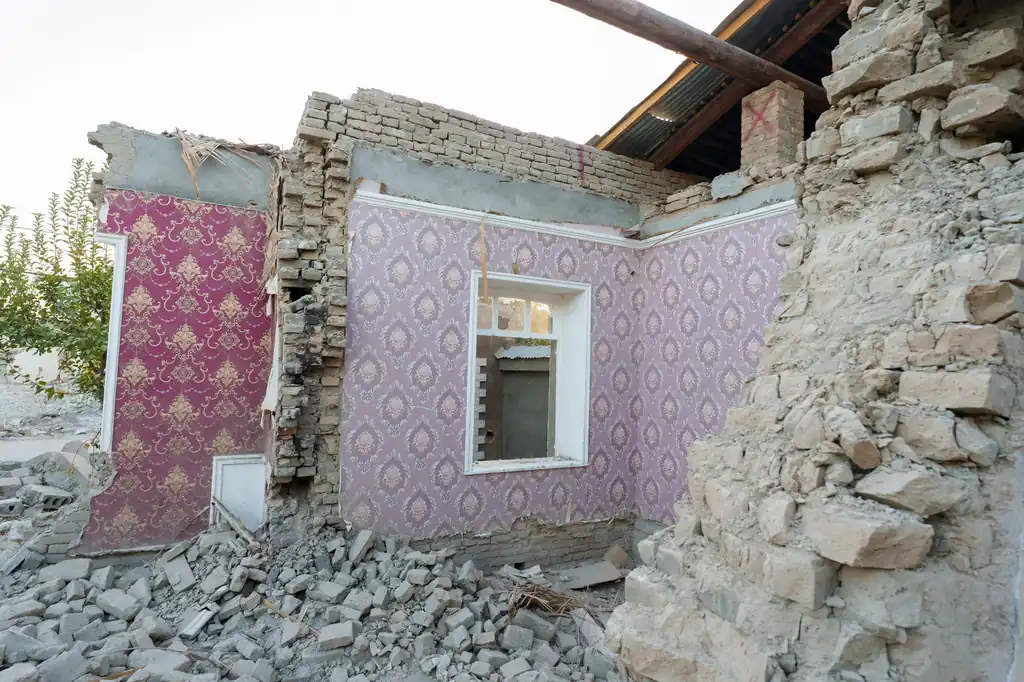
Water damage restoration cost in Greenville: what to expect
Discover the costs associated with water damage restoration in Greenville, including factors affecting pricing and what you can expect during the process.
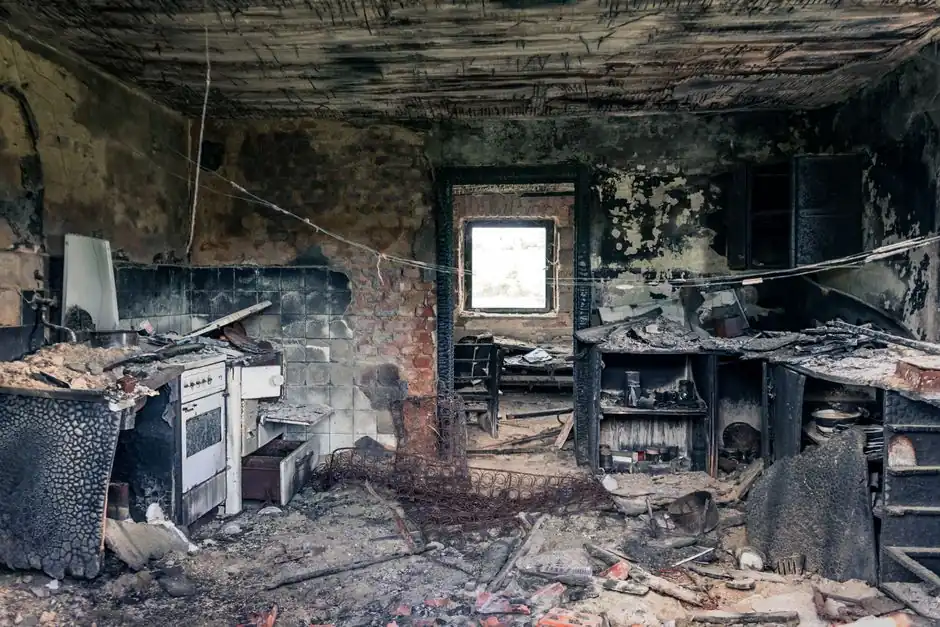
Water damage restoration cost in Greenville typically ranges from $1,000 to $5,000, depending on the severity of the damage and the services required. Understanding the factors that influence these costs can help homeowners make informed decisions when faced with water damage issues.
Water damage restoration is a service that addresses and repairs damage caused by water intrusion, whether from floods, leaks, or other sources. This process includes water extraction, drying, and repairs to restore your property to its original condition.
Factors affecting water damage restoration costs
Several factors can influence the cost of water damage restoration in Greenville. The main considerations include:
- Severity of damage: Minor water damage may cost less to repair than extensive damage requiring structural repairs.
- Type of water: Clean water from a broken pipe is less costly to remediate than contaminated water from a sewage backup.
- Location: Restoration costs can vary based on the neighborhood and accessibility of your property.
- Time of service: Emergency services may incur higher costs, especially during weekends or holidays.
Typical costs for water damage restoration in 2026
In 2026, homeowners in Greenville can expect the following typical costs for water damage restoration:
- Water extraction: $500 to $2,000 depending on the volume of water and area affected.
- Structural drying: $300 to $1,500, based on the size of the affected area and materials involved.
- Mold remediation: $500 to $3,000 if mold growth is present due to prolonged moisture.
- Repairs: Costs for repairs can range from $1,000 to $5,000 depending on the extent of the damage.
For example, a flooded basement might require extensive water extraction and drying, leading to total costs of $2,500 to $10,000 or more. In contrast, a small leak might only cost a few hundred dollars to repair.
What to expect during the restoration process
The restoration process typically involves several key steps:
- Assessment: A professional will assess the damage and determine the best course of action.
- Water extraction: Using specialized equipment, water will be removed from the affected areas.
- Drying: The area will be dried using industrial fans and dehumidifiers to prevent mold growth.
- Repairs: Any necessary repairs, such as drywall replacement or flooring repair, will be conducted.
Throughout this process, communication with your restoration team is crucial to understand the timeline and costs involved. For residents in areas like Downtown Greenville, the proximity to resources often allows for faster service.
Common mistakes to avoid
When dealing with water damage, homeowners often make several common mistakes:
- Delaying action: Waiting too long to address water damage can lead to mold growth and increased costs.
- Ignoring insurance: Not contacting your insurance provider can result in out-of-pocket expenses that could have been covered.
- DIY attempts: Attempting to fix severe water damage without professional help can exacerbate the problem.
When to call a professional
Calling a professional is essential when you notice significant water damage, such as flooding, mold growth, or structural issues. Water Damage Greenville offers comprehensive services to help you manage these situations effectively.
Frequently Asked Questions
What is the average cost of water damage restoration in Greenville? The average cost ranges from $1,000 to $5,000, depending on the severity and type of damage.
How long does the restoration process take? The process can take anywhere from a few days to several weeks, depending on the extent of the damage.
Is mold removal included in the restoration cost? Mold removal is typically an additional cost and may range from $500 to $3,000 based on the severity.
Will my insurance cover water damage restoration? Coverage varies by policy; contact your insurance provider to understand your specific coverage.
How can I prevent future water damage? Regular maintenance, proper drainage, and timely repairs can help mitigate the risk of future water damage.